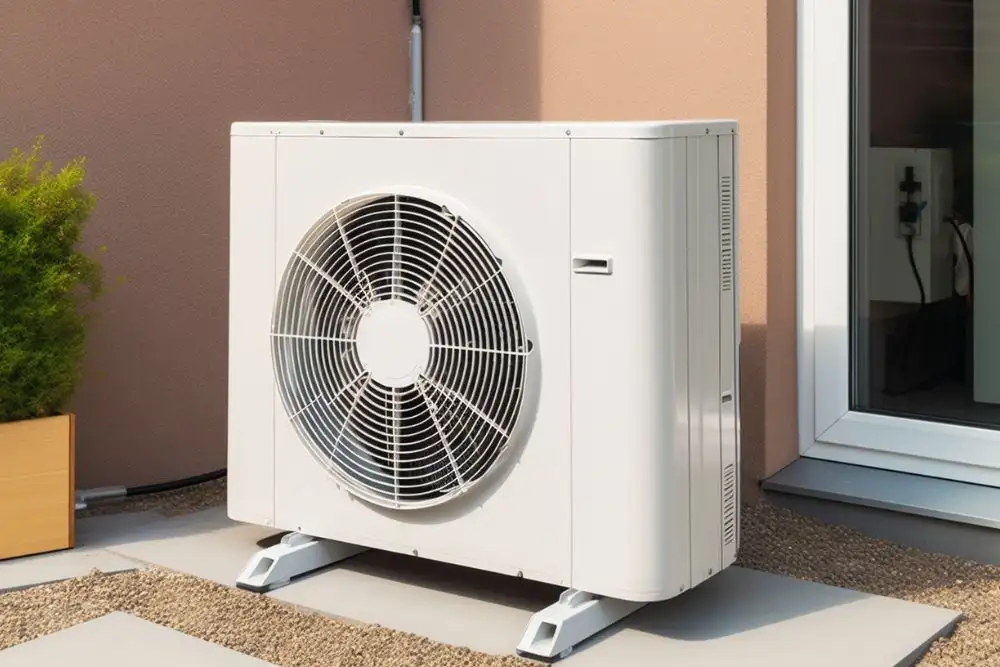
Air conditioners work hard to keep homes comfortable, especially during hot seasons. However, without proper maintenance, even the best systems can lose efficiency, break down, or cause high electricity bills. Regular AC maintenance improves cooling performance, extends the lifespan of your system, and reduces repair costs.
In this guide, we’ll cover essential air conditioner maintenance tips, including thermostat troubleshooting, when to service your AC unit, energy efficiency strategies, and how to choose between mini-split and central AC systems.
-
When to Service an AC Unit
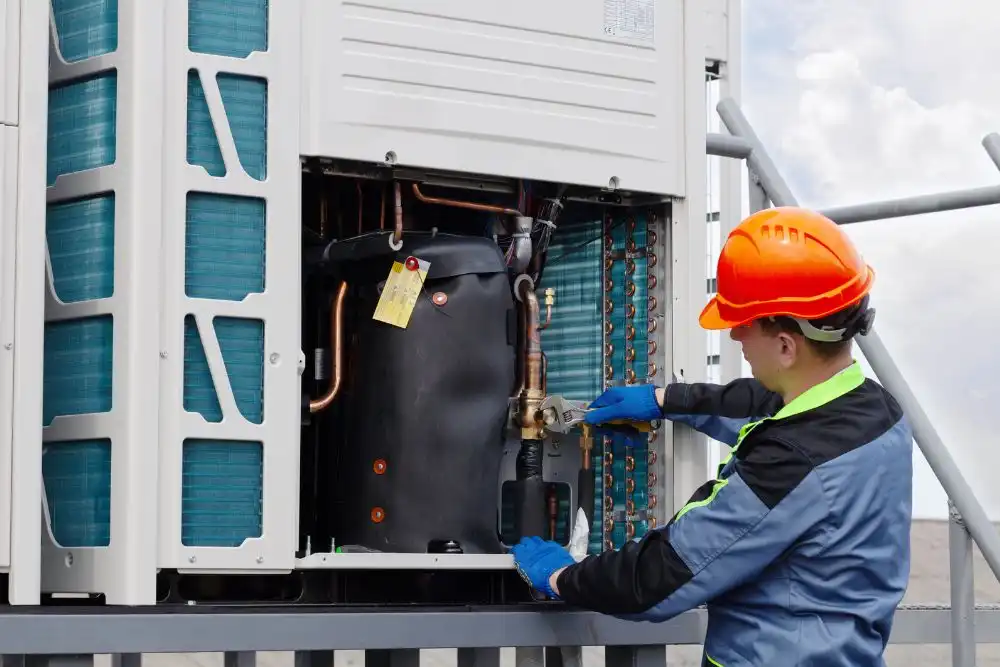
Routine servicing is the most important step in preventing expensive HVAC problems. Experts recommend servicing your AC at least once a year, ideally in spring before the cooling season begins. This ensures your system is ready for heavy summer usage.
Signs Your AC Needs Service
Watch for these common warning signs:
- Weak airflow from vents
- Warm air instead of cool air
- Strange noises like grinding or squealing
- Sudden increase in electricity bills
- Water leaks or excess moisture around the unit
These issues may indicate clogged filters, refrigerant leaks, or mechanical problems that require professional inspection.
Basic Maintenance Tasks
Homeowners can perform some simple maintenance tasks:
- Replace air filters every 1–3 months
- Remove debris around the outdoor unit
- Keep vents open and unobstructed
- Check condensate drain lines for blockages
Regular maintenance improves airflow, air quality, and system efficiency.
-
Thermostat Troubleshooting Tips
Your thermostat controls the entire cooling system, so even small issues can cause performance problems.
Common Thermostat Problems
- Incorrect temperature readings
- AC turning on and off frequently
- AC running continuously
- No response from the system
Frequent cycling may indicate a faulty thermostat, low refrigerant levels, or airflow restrictions.
Quick Thermostat Fixes
Try these troubleshooting steps:
- Check thermostat settings – Ensure cooling mode is enabled.
- Replace batteries if the display is blank.
- Clean dust from sensors for accurate readings.
- Upgrade to a smart thermostat to automate temperature control.
Smart thermostats can reduce energy consumption by automatically adjusting temperatures based on schedules and occupancy.
-
Air Conditioner Energy Efficiency Tips
Energy-efficient cooling saves money and reduces system wear.
Set the Right Temperature
Experts recommend setting the thermostat around 24–26°C (75–78°F) for the best balance of comfort and efficiency.
Improve AC Efficiency with These Tips
- Replace air filters regularly
- Seal windows and doors to prevent air leaks
- Use ceiling fans to circulate cool air
- Close blinds during hot daytime hours
- Schedule annual professional maintenance
Even small adjustments to thermostat settings can reduce energy costs by up to 10% annually.
-
Compare Mini-Split AC vs Central AC
Choosing the right air conditioning system affects comfort, energy costs, and installation complexity.
Mini-Split AC Systems
Pros
- Highly energy efficient
- No ductwork required
- Ideal for small homes or room additions
- Zoned temperature control
Cons
- Higher upfront cost per room
- Visible indoor wall units
Central AC Systems
Pros
- Cools the entire home evenly
- Hidden duct system
- Easier temperature control across large spaces
Cons
- Requires ductwork
- Energy losses can occur through ducts
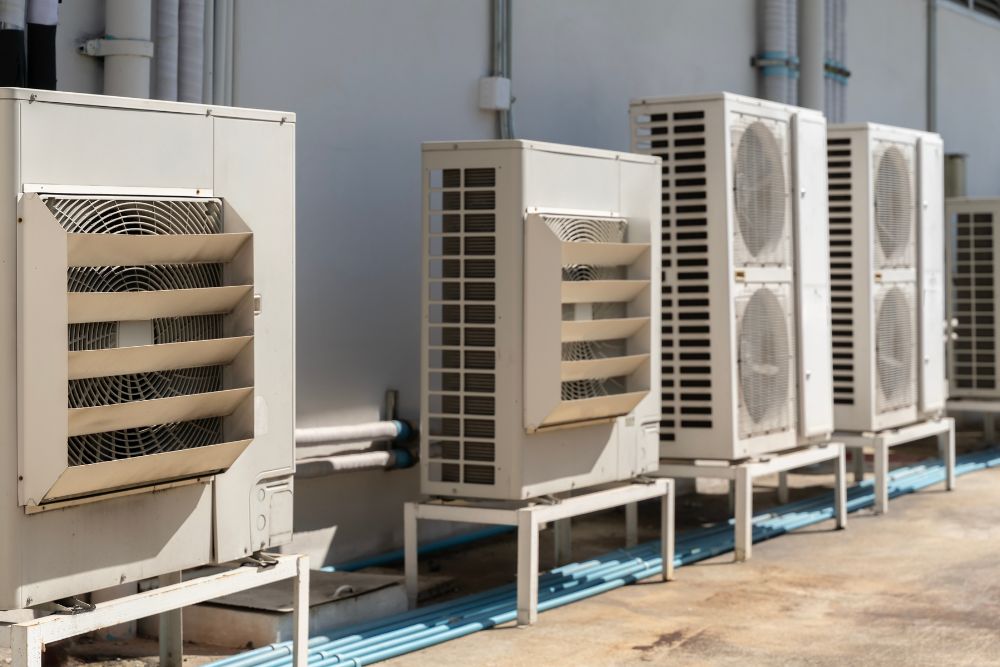
Mini-split systems are often best for smaller homes or retrofits, while central AC works better for larger homes with existing ductwork.
-
AC Repair vs Replacement Cost
Sometimes repairing an old air conditioner may cost more than replacing it.
When AC Repair Makes Sense
Repair your system if:
- The unit is under 10 years old
- Repair costs are relatively low
- The problem is minor (thermostat, capacitor, fan motor)
When Replacement Is Better
Consider replacing your AC if:
- The system is 10–15 years old
- Repairs cost more than 50% of a new unit
- Energy bills keep rising
- The system uses outdated refrigerant
New energy-efficient systems can significantly reduce long-term cooling costs.
-
Best Air Conditioner Brands
Choosing a reliable brand improves system longevity and efficiency. Some of the most trusted AC manufacturers include:
- Carrier
- Trane
- Lennox
- Daikin
- Mitsubishi Electric
These brands are known for durability, energy efficiency, and advanced climate control technology.
-
Final AC Maintenance Checklist
Use this quick checklist to keep your air conditioner in top condition:
✔ Replace air filters regularly
✔ Check thermostat settings
✔ Keep outdoor unit clean
✔ Schedule annual professional servicing
✔ Monitor airflow and unusual noises
✔ Maintain proper thermostat temperature
Regular maintenance prevents breakdowns, improves cooling performance, and extends the life of your HVAC system.
Proper air conditioner maintenance is essential for comfort, efficiency, and cost savings. By understanding when to service your AC unit, troubleshooting thermostat issues, improving energy efficiency, and choosing the right system, homeowners can avoid expensive repairs and enjoy reliable cooling for years.
If you want professional HVAC advice or services, visit Air Conditioner Repair for expert guidance and maintenance solutions.