Keeping your air conditioner in top condition requires regular maintenance and timely service. Many homeowners only call a technician when the system stops cooling, but preventative servicing is far more effective and affordable. Understanding when to service an AC unit, what parts should be checked, and how much it costs can help extend the life of your system and improve energy efficiency.
This guide explains how often to service AC units, the best time for maintenance, and the difference between AC service vs AC repair.
How Often to Service AC Unit
Most HVAC professionals recommend servicing your air conditioner at least once per year to keep it operating efficiently and prevent breakdowns.
For systems that provide both heating and cooling, experts often suggest two maintenance visits per year:
- Spring: AC inspection and cooling system preparation
- Fall: Heating system maintenance
This seasonal approach ensures your system performs well during peak weather conditions and reduces the risk of sudden failures.
Factors That Affect Service Frequency
Some systems may need more frequent maintenance depending on:
- Age of the HVAC system
- Climate and usage level
- Presence of pets or dust
- Indoor air quality issues
- Manufacturer warranty requirements
Neglecting maintenance can gradually reduce efficiency—unserviced AC units can lose around 5% efficiency per year.
Best Time to Service Air Conditioner
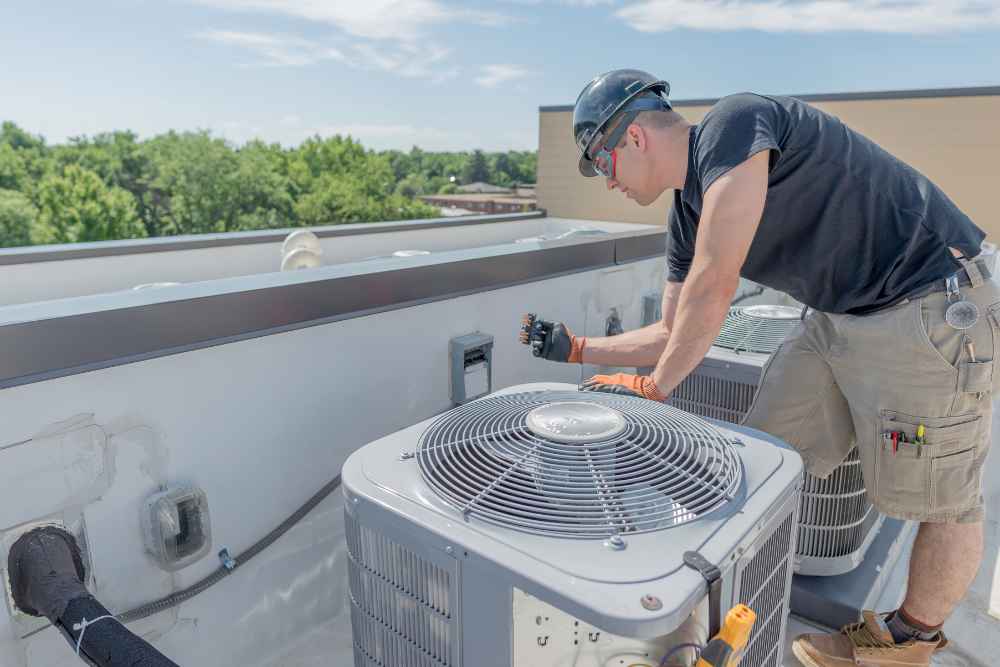
The best time to service an air conditioner is early spring, before the cooling season begins. This timing allows technicians to identify issues before summer temperatures put heavy demand on the system.
Why Spring Maintenance Is Ideal
- HVAC companies have better availability
- Lower prices during the off-season
- Prevents emergency breakdowns in summer
- Improves energy efficiency before peak use
Some homeowners also schedule a second check in the fall to ensure the entire HVAC system stays balanced throughout the year.
AC Service vs AC Repair
Understanding the difference between AC service vs AC repair is essential for proper HVAC care.
AC Service (Preventative Maintenance)
AC service refers to routine maintenance designed to keep the system running smoothly.
Typical service tasks include:
- Cleaning coils and filters
- Checking refrigerant levels
- Inspecting electrical components
- Testing thermostat accuracy
- Lubricating moving parts
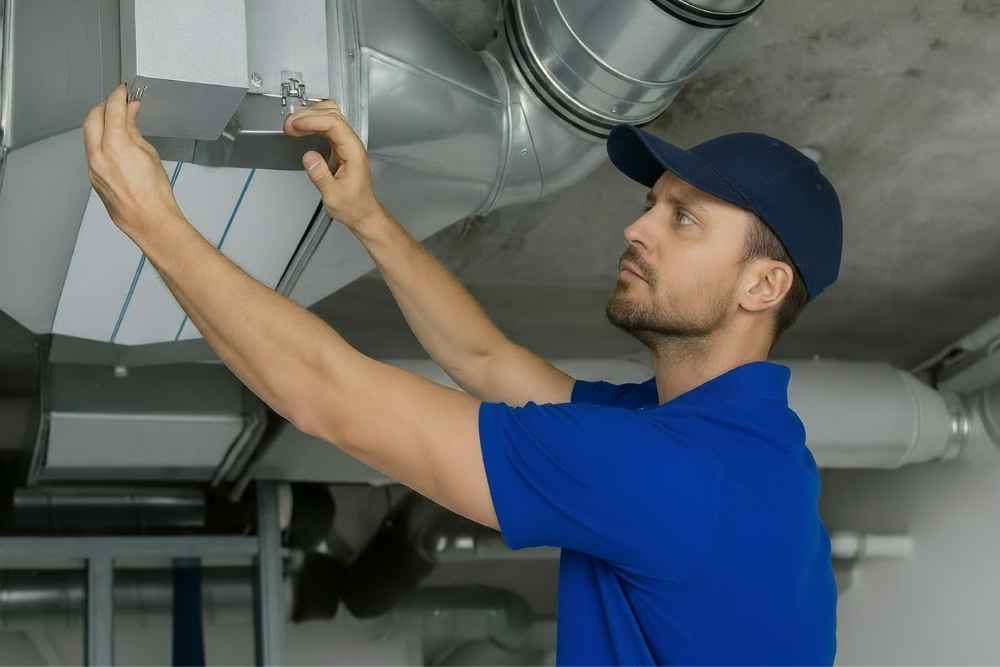
- Checking airflow and duct connections
Regular service reduces the chance of system failure and improves energy efficiency.
AC Repair
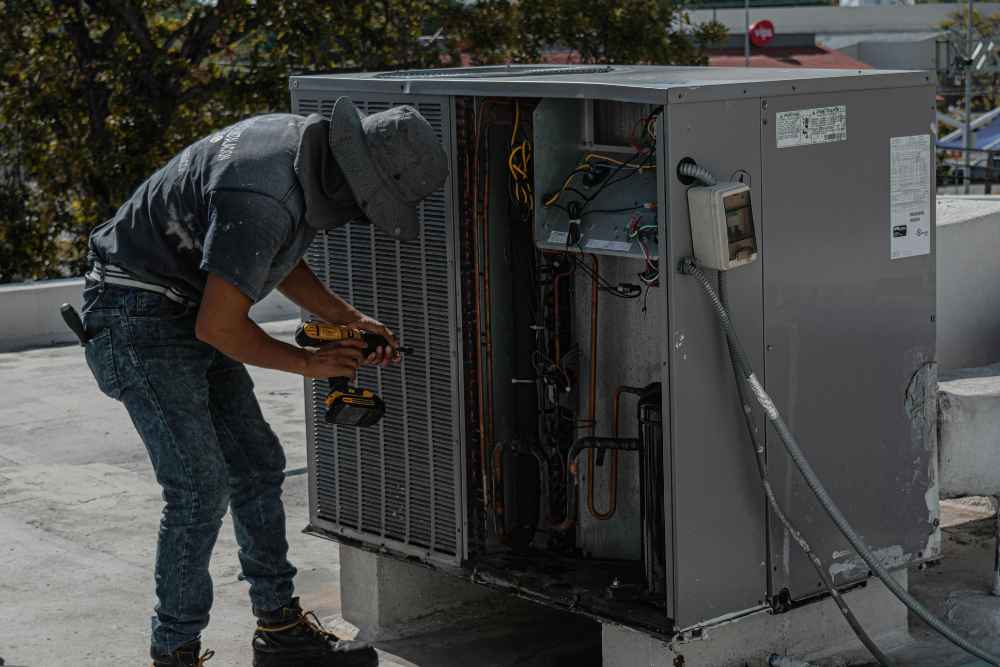
AC repair occurs when the system already has a problem.
Examples include:
- Refrigerant leaks
- Compressor failure
- Fan motor replacement
- Electrical faults
- Thermostat malfunction
Repairs are usually more expensive than preventative maintenance, which is why routine service is recommended.
Air Conditioner Parts to Check During Service
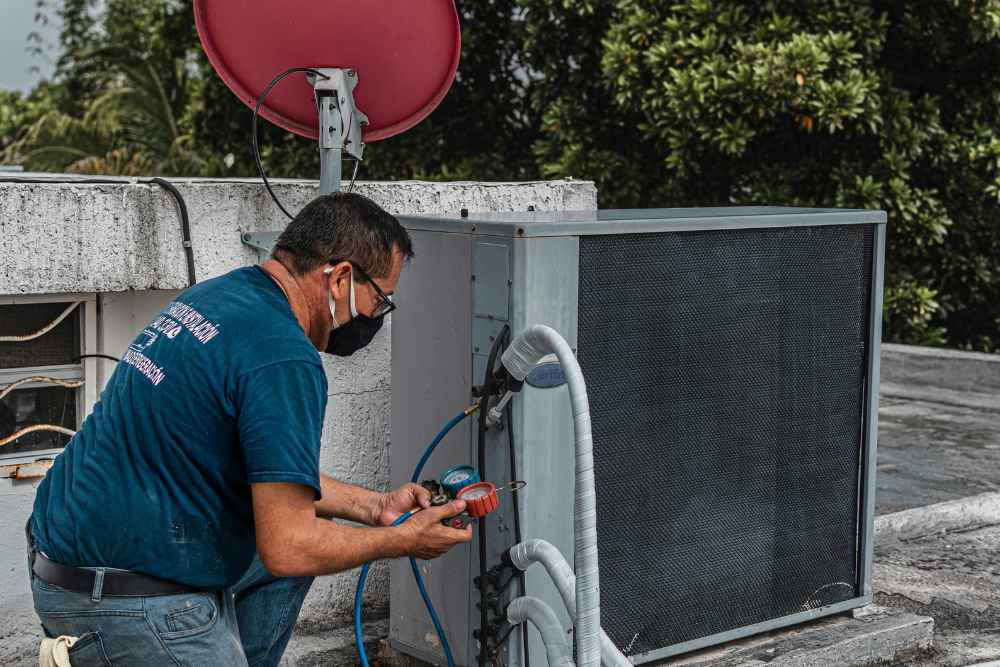
A professional HVAC technician will inspect several key components of your air conditioner to ensure proper operation.
Important AC Parts to Check
- Air Filters
Dirty filters restrict airflow and reduce efficiency. They should be cleaned or replaced regularly. - Evaporator Coils
These coils absorb heat from indoor air. Dirt buildup can reduce cooling performance. - Condenser Coils
Located in the outdoor unit, condenser coils release heat outside. They must stay clean for optimal efficiency. - Refrigerant Levels
Low refrigerant indicates leaks and can damage the compressor. - Thermostat
Technicians test thermostat accuracy to ensure proper temperature control. - Drain Line and Pan
Condensate drains must remain clear to prevent water damage. - Electrical Connections
Loose or damaged wiring can lead to system failure or safety hazards.
Checking these parts helps technicians detect small issues before they become costly repairs.
Air Conditioning Maintenance Tips for Homeowners
While professional servicing is essential, homeowners can perform simple tasks to maintain their AC system between visits.
Easy Maintenance Tips
- Replace or clean air filters every 1–3 months
- Keep outdoor units free of leaves and debris
- Ensure vents are not blocked by furniture
- Inspect thermostat settings regularly
- Schedule professional maintenance annually
Basic maintenance can improve indoor air quality and help your system operate more efficiently.
HVAC Maintenance Schedule Example
A simple HVAC maintenance schedule can keep your system running efficiently all year.
Season – Maintenance Task
Spring – AC inspection, coil cleaning, refrigerant check
Summer – Monitor airflow and thermostat performance
Fall – Heating system inspection
Winter – Replace filters and inspect ductwork
Following a seasonal schedule helps reduce repair costs and prolongs system life.
Cost of AC Service
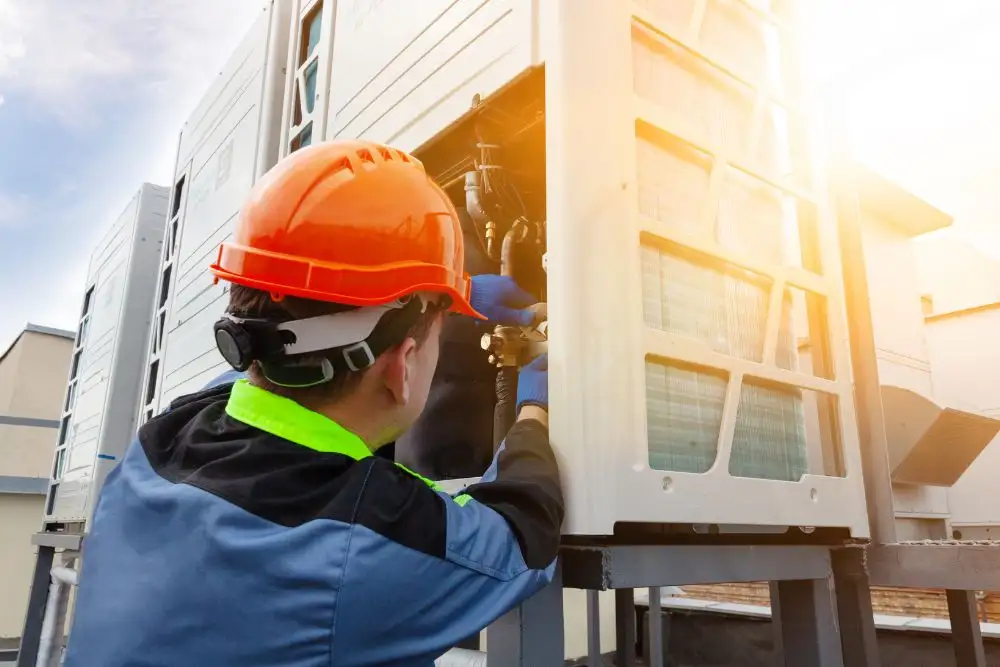
The cost of AC service varies depending on the system type, service complexity, and location.
Typical price ranges include:
- AC tune-up: $70 – $200
- Diagnostic service call: $75 – $200
- Annual maintenance plan: $120 – $360 per year
Larger or more complex systems may cost more to maintain, especially if repairs or replacement parts are required.
Investing in routine maintenance can save money in the long run by preventing expensive breakdowns.
Signs Your AC Needs Immediate Service
Even if your annual service is scheduled, certain signs indicate the need for immediate HVAC attention:
- Weak airflow from vents
- Warm air instead of cool air
- Unusual noises or vibrations
- Rising energy bills
- Frequent cycling on and off
- Musty or burning smells
Ignoring these warning signs may lead to more severe and expensive repairs.
Knowing when to service your AC unit is essential for maintaining comfort, efficiency, and system longevity. Regular maintenance not only prevents unexpected breakdowns but also helps reduce energy costs and extend the life of your HVAC system.
For best results:
- Schedule annual AC maintenance
- Service the system before summer
- Follow a seasonal HVAC maintenance schedule
- Address problems early to avoid costly repairs
A well-maintained air conditioning system will provide reliable cooling, improved indoor air quality, and long-term savings.